
Nutrient Deficiencies in Aquarium Plants
Recognize & Solve
Healthy aquarium plants are the foundation of a stable and visually appealing aquarium. However, many aquarists sooner or later encounter plants that don't grow well, discolor, or even die. In many cases, the cause lies in nutrient deficiencies.
But how do you recognize such a deficiency? And more importantly: how do you solve it?
Why plant nutrition is so important
Aquarium plants, like plants on land, need nutrients to grow. They get these from:
- The water column (through the leaves)
- The substrate (through the roots)
When one or more nutrients are lacking, visible abnormalities occur. The sooner you recognize them, the easier it is to solve the problem and prevent worse outcomes. Weak plants die, leading to substrate pollution and giving algae the chance to take over.
The most common nutrient deficiencies:
1. Nitrogen deficiency (N)
Recognition:
- Yellow or light green leaves
- Mainly older leaves are affected
- Slow growth
 Solution:
- Add nitrogen via liquid plant fertilizer
- Possibly increase fish stocking (more waste = more nitrogen)
- Ensure a good balance between light and nutrition
2. Phosphate deficiency (P)
Recognition:
- Dark green leaves
- Sometimes purple or brown discoloration
- Poor or stagnant growth

Solution:
- Use a fertilizer with phosphate
- Check if you are not underfeeding (can affect phosphate levels)
3. Potassium deficiency (K)
Recognition:
- Small holes in leaves
- Yellow edges
- Leaves slowly dying off
Solution:
- Add potassium via plant fertilizer
- Dose regularly for stable growth
4. Iron deficiency (Fe)
Recognition:
- New leaves are pale yellow or almost white
- Veins often remain green (chlorosis)
Solution:
- Add iron (Fe) via liquid fertilizer
- Ensure sufficient lighting (iron uptake is light-dependent)
5. Magnesium deficiency (Mg)
Recognition:
- Yellow discoloration between the veins
- Older leaves affected first
-

Solution:
- Add magnesium (e.g., via special supplements)
- Check your water parameters (GH)
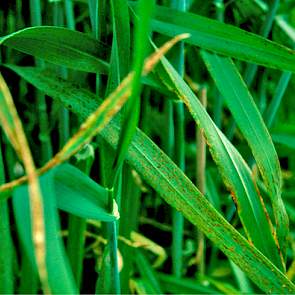
6. Trace element deficiency
Recognition:
- Overall poor growth
- Pale or malformed leaves
- Hard-to-pinpoint symptoms
Solution:
- Use a complete plant fertilizer with micro-elements
- Dose consistently, not occasionally
Root nutrition vs. water column
Not all plants absorb nutrients in the same way.
- Stem plants → mainly via the water
- Rosette plants (such as Echinodorus, Cryptocoryne) → mainly via the roots
👉 For this latter group, substrate fertilization is essential.
A deficiency can occur even if you are using liquid fertilizer — simply because the nutrients don't reach the roots.
Various substrate fertilizers are available, but they don't always contain the right balance of nutrients. Pay close attention to this before spending a lot of money on plant fertilizers that consist of clay or iron and lack other important ingredients.
Growcap is an example of a complete plant fertilizer in both capsule and liquid form.
A good way to prevent deficiencies in your aquarium plants is:
- Combination of liquid fertilizer + substrate fertilizer
- Regular dosing (preferably weekly or daily)
- Observation of your plants, and don't forget to take a moment to enjoy your aquarium ;)
Tip: are you unsure about the health of your aquarium plants? Take a photo and analyze it with Google Lens. This way you will learn to recognize deficiencies and you can read the solution here after diagnosis.
Happy scaping!